A dormant lawn can turn completely brown during winter without actually dying. In North Texas, Bermuda and St. Augustine grass naturally slow their growth as temperatures drop, but severe freezes can sometimes cause lasting damage. If you’re noticing brown grass in winter around your McKinney, Frisco, or Allen home, knowing the difference between dormancy and dead grass can help you avoid unnecessary treatments.
When Does Grass Go Dormant in North Texas?
Bermuda and St. Augustine are warm-season grasses that grow actively during warmer months. As temperatures drop in late fall, their growth slows, and the green color begins to fade. This natural process helps grass conserve energy through colder weather.
In North Texas, grass typically begins entering dormancy between November and December, depending on weather conditions. Repeated cold nights and frost can speed up this process, especially in exposed areas of the lawn. Dormant grass remains alive and can resume growing when temperatures become favorable again.
Bermuda vs. St. Augustine: How They Handle Winter
Although both grass types experience winter dormancy, they respond differently to freezing temperatures. Understanding these differences can help homeowners recognize normal seasonal changes.
Bermuda Grass Dormant in Winter
Bermuda grass generally tolerates colder temperatures better than St. Augustine. After repeated frost, it often turns completely tan or straw-colored, creating the appearance of a dead lawn. However, its underground growing structures can remain alive throughout winter.
A dormant Bermuda lawn usually develops a fairly uniform brown appearance. Healthy grass gradually produces new green growth when spring temperatures rise.
St. Augustine Winter Dormancy
St. Augustine grass is more sensitive to prolonged freezing temperatures. It may develop uneven brown patches, particularly in exposed areas where cold weather is more severe. Some sections may also stay green longer than others.
Unlike Bermuda, St. Augustine spreads through aboveground runners called stolons. These runners are more vulnerable to extreme cold, which can affect how quickly the lawn recovers after winter.
How to Tell if Your Lawn Is Dead, Dormant, or Freeze-Damaged
Brown grass alone cannot confirm whether a lawn is dead. Checking its condition can help identify signs of normal dormancy or potential freeze damage.
Check the Color and Pattern
Dormant Bermuda grass often turns brown across most of the lawn, while St. Augustine may show more uneven discoloration. These changes are generally normal when they appear after colder weather.
However, isolated patches that develop suddenly or continue spreading may indicate another problem. If discoloration appeared before winter, it may be related to pests, disease, or other lawn stress.
Try the Grass Tug Test
Gently pull a small section of brown grass to see whether it remains attached to the soil. Dormant grass generally stays anchored because its roots and growing structures remain intact.
If large sections lift easily and the roots or runners appear decayed, the grass may be damaged. This test is only an initial check because dead leaf blades can sometimes detach from otherwise healthy dormant grass.
Inspect Grass Crowns and Runners
Examine the base of the grass rather than judging its condition by the brown blades alone. Healthy crowns and St. Augustine runners generally feel firm, while soft or rotting tissues may indicate injury.
Severe freeze damage may affect these growing structures and prevent new shoots from developing. However, winter damage can be difficult to confirm until warmer weather returns.
Watch for Unusual Damage
Certain symptoms may indicate problems beyond normal dormancy, including:
- Brown patches that appeared before freezing weather.
- Soft, deteriorating runners or grass crowns.
- Areas with unusual discoloration or spreading damage.
Brown patches can also result from fungal diseases rather than freezing temperatures. Our guide to North Texas lawn diseases explains other problems that may affect your grass.
What to Do When Your Lawn Turns Brown in Winter
A brown lawn in winter usually needs protection rather than aggressive treatment. Since dormant grass grows very slowly or stops growing altogether, unnecessary maintenance can create additional stress.
Here are five practical steps to protect your lawn during colder months.
- Adjust your watering schedule. Dormant grass requires less water than actively growing turf. Water only when needed during extended dry periods, and avoid irrigating when freezing conditions could create ice.
- Avoid fertilizing dormant grass. Nitrogen fertilizer will not immediately restore green color to a dormant lawn. Wait until active growth resumes before applying fertilizer.
- Limit heavy foot traffic. Repeated walking, parking, or equipment use can damage dormant grass. Frozen or saturated soil is especially vulnerable to compaction and stress.
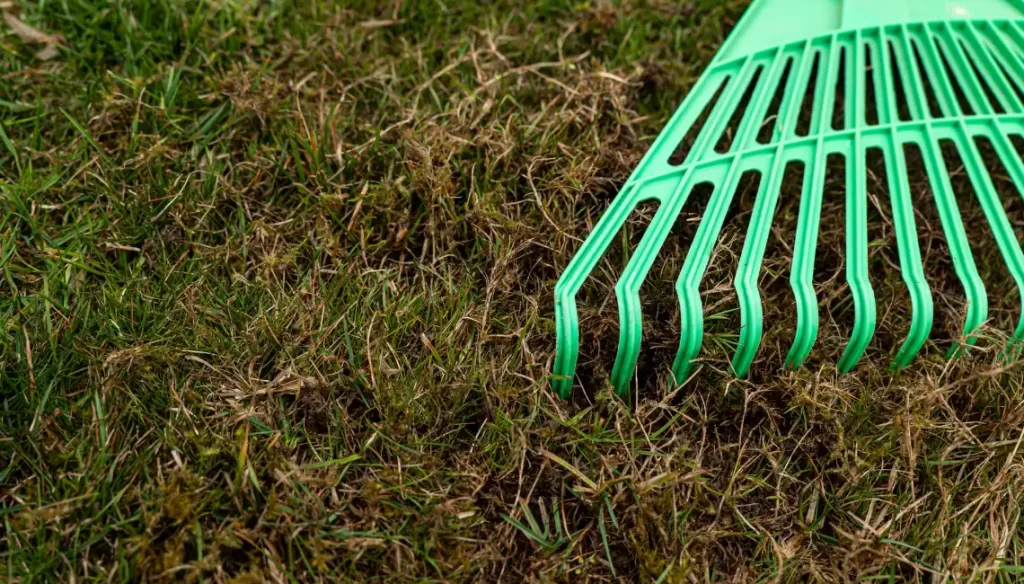
- Remove heavy leaf buildup. Thick layers of leaves can trap moisture and block sunlight from reaching the lawn. Clearing excessive debris helps maintain healthier conditions during winter.
- Avoid replacing brown grass too early. Grass that appears dead may simply be dormant. Wait until spring growth begins before deciding whether sections need replacement.
For more information about maintaining lawns throughout the year, explore our seasonal lawn care strategies for McKinney.
You can also read our guide on when to fertilize your North Texas lawn to understand why application timing matters.
When Will Your North Texas Lawn Turn Green Again?
Bermuda and St. Augustine lawns in North Texas commonly begin greening up between March and April, depending on soil temperatures and weather conditions. A few warm afternoons may encourage early growth, but consistent warmth is needed for a more complete recovery.
Shaded areas and sections exposed to severe freezing temperatures may recover more slowly. Homeowners should avoid assuming the lawn is dead simply because it remains brown during early spring.
If surrounding grass begins growing actively while certain sections remain completely brown, those areas may have suffered lasting damage. A professional inspection can help determine whether the turf needs additional care or replacement.
For homeowners concerned about their lawn’s condition, professional lawn care services in McKinney, TX can help identify lawn health problems and recommend appropriate treatments.
Keep Your North Texas Lawn Healthy With Green-Grounds
Brown grass in winter does not always mean your lawn is dead. Bermuda and St. Augustine naturally enter dormancy during colder months, and many lawns recover once temperatures become favorable. Recognizing signs of freeze damage can help you make informed decisions about your lawn.
At Green-Grounds, we provide professional lawn fertilization, weed control, disease management, and seasonal lawn treatments for homeowners in McKinney, Frisco, Allen, and surrounding North Texas communities. Our team understands how local weather conditions affect warm-season grasses and can recommend treatments suited to your lawn’s needs.
Is your lawn still brown after winter? Contact us today for a free estimate and get professional guidance to help your Bermuda or St. Augustine lawn return to healthy growth.