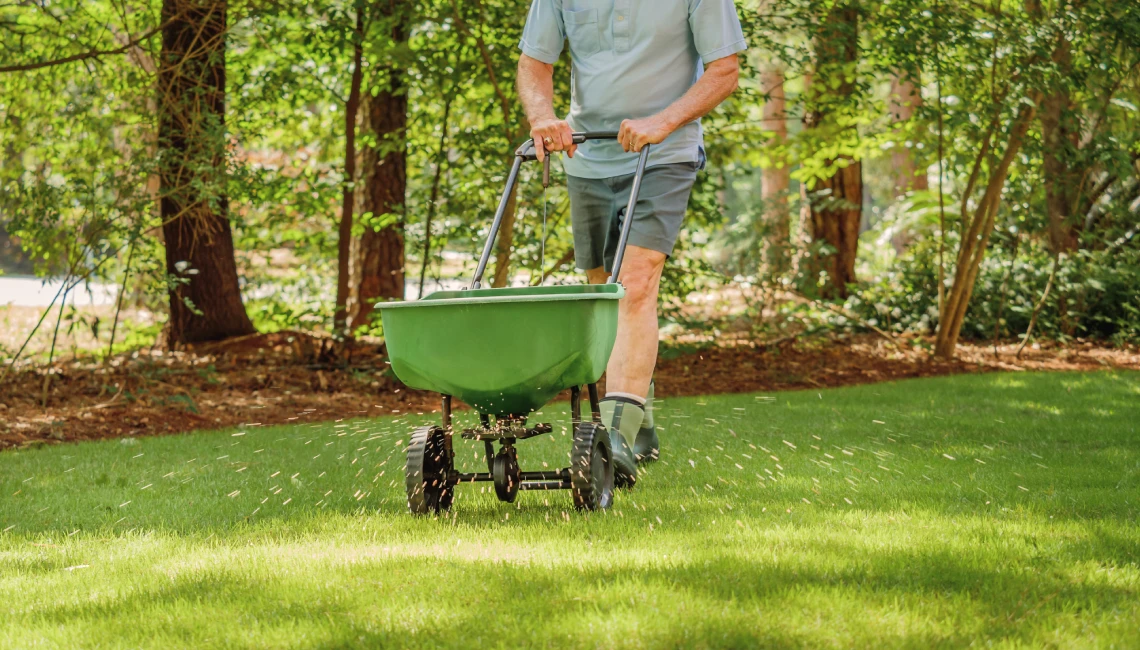
Knowing when to fertilize lawn McKinney properties helps Bermuda, St. Augustine, and Zoysia lawns grow stronger through North Texas heat. Green-Grounds helps homeowners build healthier lawns with fertilization plans based on local soil, grass type, weather, and seasonal growth. The right timing matters because fertilizer works best when your lawn is actively growing and ready to use the nutrients.
McKinney lawns face clay soil, hot summers, rapid spring growth, and unpredictable rain. That means a lawn fertilizer schedule in North Texas should follow local conditions instead of generic advice. A smart plan can improve color, density, root strength, and long-term lawn health.
Why Fertilizer Timing Matters in Collin County
Fertilizer helps your lawn grow thicker, greener, and more resilient. In North Texas, warm-season grasses usually need nutrients from spring through early fall. Feeding too early, too late, or during severe stress can waste product and weaken the lawn.
The best timing also depends on the grass type. Bermuda often requires more frequent feeding, while Zoysia usually responds better to a lighter approach. St. Augustine can respond well to fertilizer, but excessive nitrogen can lead to soft growth and increase lawn problems.
The Best Lawn Fertilizer Schedule for McKinney, TX
A good fertilization schedule should start after the lawn has fully greened up. Most McKinney lawns should not get heavy fertilizer in early spring while the grass is still waking up. It is better to wait until the lawn is growing well and has been mowed a few times.
A simple Collin County calendar looks like this:
- March to early April: Pre-emergent weed control and soil prep
- Late April to May: First main fertilizer application
- June to July: Summer feeding if the lawn is healthy
- August: Light feeding or iron support if needed
- September to early October: Final fall feeding
- Late October to February: Avoid nitrogen while grass is dormant
When to Fertilize Bermuda Grass in North Texas
Bermuda grass grows quickly in warm weather and responds well to fertilizer. The first feeding should usually happen in late spring after full green-up. A second summer application can help if the lawn is actively growing and getting enough water.
Bermuda may also benefit from a fall feeding before growth slows down. This helps support recovery after summer heat and prepares the lawn for cooler weather. The key is to avoid feeding too late in the season.
When to Fertilize St. Augustine Grass in McKinney
St. Augustine needs steady care because it can decline quickly when stressed. It should usually be fertilized after spring green-up, not while the lawn is still partly dormant. A summer application may help if the lawn is healthy, watered properly, and not under disease pressure.
This grass type should not be overfed because too much nitrogen can push weak growth. Heavy feeding can also make the lawn more vulnerable to heat, disease, and other stress. In some cases, iron can improve color without forcing too much top growth.
When to Fertilize Zoysia Grass in Collin County
Zoysia grows slower than Bermuda, so it usually needs less fertilizer. A late spring feeding can support color and density once the lawn is fully active. A light summer application may help if the lawn is healthy and growing well.
The goal with Zoysia is steady improvement, not fast growth. Overfeeding can create excess thatch, more mowing, and weaker seasonal performance. A measured plan usually works best for this grass type.
What Kind of Fertilizer Is Best in McKinney?
The best fertilizer depends on your grass type, soil condition, and lawn goals. Many North Texas lawns benefit from slow-release nitrogen because it feeds the grass more evenly. A soil test can also help show whether your lawn needs potassium, phosphorus, or other support.
Good fertilizer options may include:
- Slow-release nitrogen
- Low or no phosphorus unless needed
- Potassium for stress support
- Iron for better color
- Grass-specific application rates
Common Fertilization Mistakes to Avoid
Fertilizer can help your lawn, but only when it is used correctly. Applying the wrong product or feeding at the wrong time can create more problems than results. Timing, rate, lawn condition, watering habits, and grass type all matter when building a safe fertilization plan.
Common mistakes include:
- Fertilizing before full spring green-up
- Feeding during drought stress
- Using too much nitrogen
- Treating Zoysia like Bermuda
- Skipping soil testing
- Fertilizing too late in fall
Lawn Fertilization in Allen, Frisco, and Fairview
Lawn fertilization in Allen, TX, Frisco, and Fairview follows the same general North Texas schedule as McKinney. The right plan still depends on your property’s grass type, shade, watering habits, and soil condition. Two lawns in the same neighborhood can need different fertilizer timing and rates.
Green-Grounds provides lawn fertilization services in McKinney and the nearby Collin County areas. Each plan is built around how the lawn is actually growing. This helps the grass use nutrients better through the season.
Get a Lawn Fertilization Plan Built for North Texas Lawns
The best time to fertilize your lawn in McKinney, TX depends on your grass type, soil condition, and the season. Bermuda, St. Augustine, and Zoysia all need nutrients during active growth, but each one responds differently. A local fertilization plan can help your lawn grow thicker, greener, and stronger through North Texas weather.
Contact us today to schedule lawn fertilization services in McKinney, Allen, Frisco, Fairview, and nearby areas. We can help you choose the right timing, fertilizer, and lawn care plan for your property.