Lawn treatment safety matters when children and pets spend time playing outside. Most lawns can be used again after the required waiting period, but that period depends on the product and how it is applied. If you’re wondering how long to keep dogs off the lawn after treatment, the answer depends on whether your lawn received fertilizer, weed control, or pest treatment. Understanding these differences helps protect your family while keeping your lawn healthy.
How Long Should Pets and Kids Stay Off Treated Grass?
Many liquid lawn treatments require children and pets to stay off the grass until the application dries completely. Other products need watering or a longer waiting period before normal lawn activities can resume. The safest approach is to follow the product label and your lawn care provider’s instructions.
Here’s a quick guide to common lawn treatments:
| Treatment Type | General Reentry Guidance |
| Liquid Fertilizer | After the application dries, unless otherwise directed |
| Granular Fertilizer | After required watering and drying, if applicable |
| Liquid Weed Killer | After the spray dries or the label’s specified waiting period |
| Pre-Emergent Weed Control | After required watering and drying, or as directed |
| Insect Control | After drying or watering, depending on the product |
| Fungicide Treatment | After drying or the required waiting period |
These are general guidelines, not guaranteed waiting times. Some products require additional precautions, even after the lawn appears dry.
Is Lawn Fertilizer Safe for Dogs and Children?
Lawn fertilizer can be used around homes with pets and children when applied correctly and according to product directions. However, direct contact with freshly applied fertilizer should be avoided, especially when dogs tend to eat grass or lick their paws.
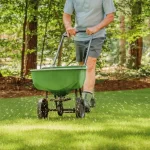
Liquid fertilizers typically require drying time before pets can return. Granular fertilizers may need watering to move nutrients into the soil and reduce surface residue.
For safer lawn access, homeowners should:
- Keep pets and children away during fertilizer application.
- Follow watering instructions before allowing outdoor play.
- Prevent pets from eating fertilizer granules or treated grass.
Professional lawn fertilization services in McKinney can help homeowners maintain healthy turf while understanding the precautions associated with each application.
How Long After Weed Killer Can Dogs Go on Grass?
If you’re wondering how long after weed killer dogs can go on grass, many liquid herbicides require the treated area to dry completely before pets return. However, some products have longer waiting periods that must be followed.
The type of weed control application also affects how homeowners should manage lawn access.
Post-Emergent Weed Killers
Post-emergent herbicides target weeds already growing in the lawn. These products are usually applied to weed foliage and may require a rain-free period to work effectively.
Dogs and children should stay away from treated areas until the spray dries and any additional reentry restrictions have passed. Watering too soon can also reduce treatment effectiveness, depending on the product.
Pre-Emergent Weed Control
Pre-emergent treatments help prevent weed seeds from developing into established plants. Many granular products require watering to activate the treatment and move it toward the soil.
If watering is required, keep pets and children off the lawn until the product has been watered in and the surface is dry, unless the label specifies otherwise.
Homeowners can learn more about seasonal applications through Green-Grounds’ weed control services in McKinney.
What About Insecticides and Fungicide Treatments?
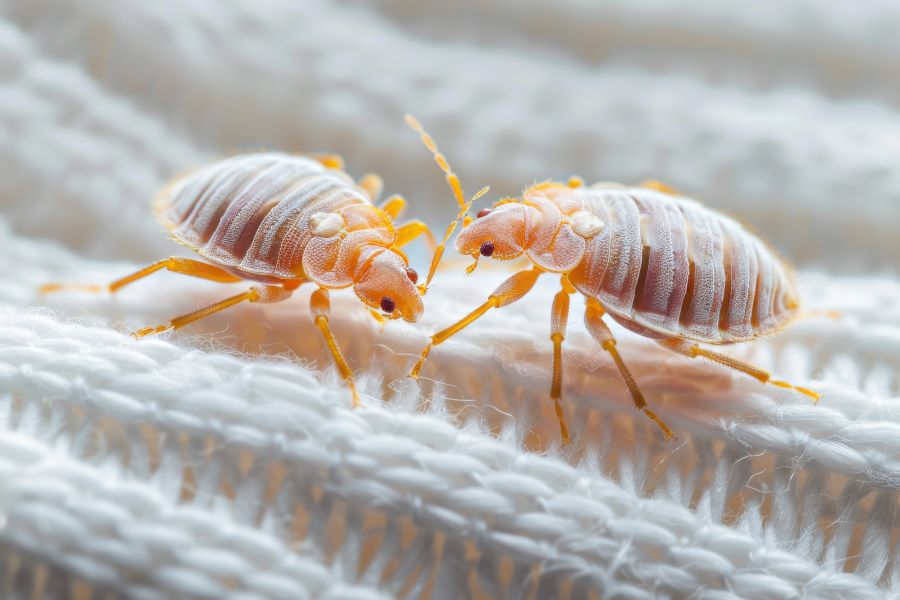
Lawn insecticides and fungicides help manage pests and diseases that damage grass. Their safety requirements depend on the active ingredients, application method, and product instructions.
Insect Control: Treatments for grubs, fire ants, and other lawn insects may use sprays, granules, or baits. Some require drying, while others need watering or a specific waiting period. Pets should not have access to exposed baits or treated areas before the label allows reentry.
Fungicide Treatments: Fungicides used to manage lawn diseases may be applied to the grass blades or soil. Depending on the product, homeowners may need to wait until the spray dries or complete additional watering requirements before allowing children and pets outside.
Green-Grounds offers lawn care services in McKinney, including insect and disease management, to address common problems affecting North Texas lawns.
How to Prepare Your Yard Before a Lawn Treatment
Preparing your lawn before an application helps reduce unnecessary exposure for children and pets. It also gives lawn care professionals clear access to areas that require treatment.
- Remove Toys and Pet Items: Pick up food bowls, water dishes, dog toys, and children’s outdoor equipment before treatment.
- Keep Pets and Kids Away: Arrange a separate space where they can stay during the application and required waiting period.
- Ask About Watering: Confirm whether the treatment requires irrigation, must remain dry, or needs additional time before watering.
- Check Reentry Instructions: Follow the product’s directions and wait until all required conditions are met before using the lawn.
For pet safe lawn care, communication is important. Tell your lawn care provider if your dog frequently eats grass, digs in the soil, or spends most of the day outside.
Does North Texas Weather Affect Lawn Treatment Safety?
Weather conditions in McKinney, Frisco, Allen, and nearby North Texas communities can affect how quickly lawn treatments dry. Hot, sunny conditions may shorten drying time, while cooler temperatures, shaded areas, and humidity can keep grass wet longer.
Rain and irrigation also affect treatment timing. Some fertilizers and pre-emergent herbicides require watering, while certain weed killers need time to absorb into the plant before rainfall.
Even if your grass looks dry, do not assume the waiting period is over. Follow the specific product instructions, including any required watering or additional restrictions.
What if Your Dog Walks on the Lawn Too Soon?
Accidental exposure can happen when a dog runs outside before a treatment has dried or the required waiting period has ended. The potential risk depends on the product, the amount of exposure, and whether the dog walked through the area or swallowed treated material.
If this happens, remove your dog from the lawn and prevent further contact. Check the product label for first-aid guidance, and contact your veterinarian or an animal poison control service promptly if exposure is suspected. If paws or fur are contaminated, ask for guidance on washing the affected area.
Watch for possible warning signs, including:
- Excessive drooling or vomiting
- Unusual weakness or difficulty walking
- Trembling or other unexpected behavior
Do not wait for symptoms to appear if your pet has swallowed fertilizer, pesticide granules, or another lawn treatment product. Seek veterinary advice and provide the product name or label information when possible.
Choose Pet-Friendly Lawn Care in McKinney, TX
Healthy lawns and family safety should work together. Understanding treatment types, watering requirements, and reentry instructions helps homeowners reduce unnecessary exposure while maintaining attractive, healthy grass.
At Green-Grounds, we provide professional fertilization, weed control, insect management, and lawn disease treatments throughout McKinney, Frisco, Allen, Plano, and surrounding North Texas communities. Our approach focuses on applying appropriate treatments at the right time while helping homeowners understand their lawn care needs.
Contact Green-Grounds today to discuss your lawn care needs, ask about treatment precautions, or request a free estimate.