Winter lawn weeds in McKinney and Frisco often begin growing before homeowners notice them. Common weeds like poa annua, henbit, and chickweed develop during cooler weather, while dandelions and clover can remain active through mild North Texas winters. Applying the right fall pre-emergent in North Texas helps prevent many annual weeds before they appear. Knowing when to treat and which weeds need additional care can help homeowners maintain healthier lawns through winter and spring.
Why Winter Lawn Weeds Grow in North Texas
Many lawns in McKinney and Frisco contain Bermuda, St. Augustine, or Zoysia grass. These warm-season grasses slow their growth as temperatures drop, allowing cool-season weeds to take advantage of open spaces in the turf.
Winter annual weeds typically begin germinating in the fall and continue growing during cooler months. By late winter or early spring, homeowners may notice green patches, small flowers, or grassy clumps spreading through dormant lawns.
This seasonal growth pattern makes fall prevention an important part of winter weed control in Texas. Treating susceptible weeds before they establish can help reduce unwanted growth during the colder months.
5 Common Winter Lawn Weeds in McKinney and Frisco
Winter weeds vary in appearance, growth habits, and treatment needs. Some grow from seeds each fall, while others survive through established root systems. Here are five common weeds North Texas homeowners should recognize.
1. Poa Annua (Annual Bluegrass)
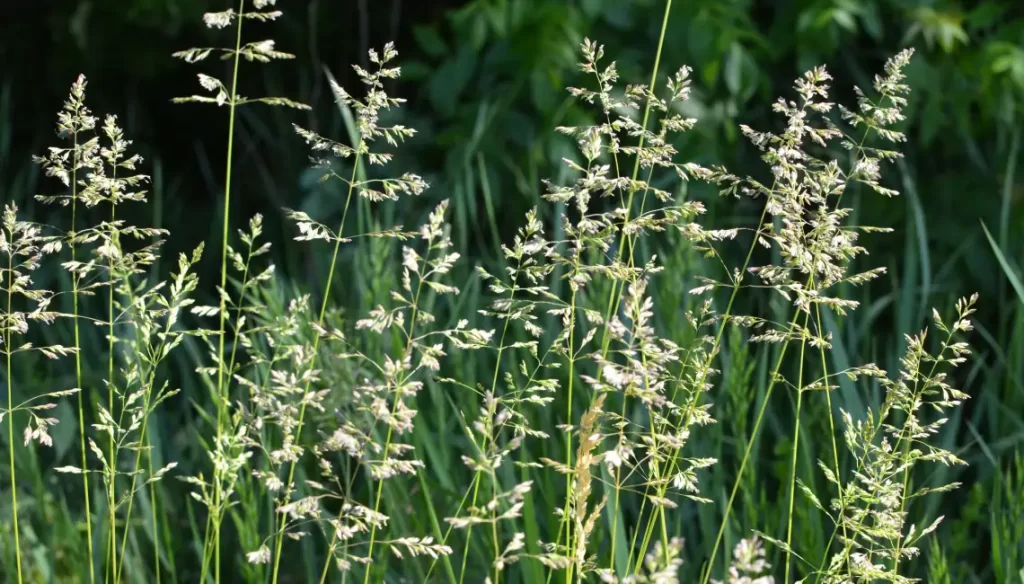
Poa annua is a cool-season grassy weed that forms bright green clumps in dormant lawns. It produces small, light-colored seedheads and becomes especially noticeable during late winter and early spring. Fall pre-emergent treatments can help reduce poa annua before seedlings establish.
2. Henbit
Henbit is a winter annual broadleaf weed with rounded leaves and small purple flowers. It commonly appears in thin lawn areas and begins growing during cooler fall weather. Properly selected fall pre-emergent products can help prevent henbit, while established plants may need post-emergent treatment.
3. Chickweed
Chickweed grows close to the ground and forms dense green patches with small white flowers. It thrives in moist, shaded areas where grass coverage is thin. Fall prevention can reduce chickweed growth, although visible plants may require targeted broadleaf weed control.
4. Dandelions in Lawn Areas
Dandelions are recognizable by their yellow flowers, jagged leaves, and white seedheads. These perennial weeds develop deep taproots that allow established plants to return. Unlike typical winter annual weeds, existing dandelions usually require post-emergent control rather than fall pre-emergent treatment alone.
5. Clover in Lawn Areas
Clover forms low-growing patches with three-part leaves and small flowers. Many common lawn clovers are perennial plants that can remain green during mild winters. Established clover generally needs an appropriate broadleaf treatment, while maintaining thicker grass can help reduce future growth.
For more information about other troublesome weeds, read our guide to the 7 most stubborn lawn weeds in McKinney and Frisco.
When to Apply Fall Pre-Emergent in North Texas
Fall pre-emergent treatments help prevent susceptible weed seedlings from developing into established plants. These products work in the upper soil layer, targeting weeds during their earliest growth stages. Applying them at the proper time is important because most pre-emergent products cannot eliminate weeds that are already growing.
The Ideal Fall Application Window
In McKinney and Frisco, fall pre-emergent applications commonly take place from mid-August through September, depending on soil temperatures and weather conditions. Annual bluegrass can begin germinating in early to mid-September in North Texas.
A useful timing indicator is when soil temperatures approach 70°F for several consecutive days. Homeowners should consider soil conditions, the target weeds, and the product label rather than relying on calendar dates alone.
Why Product Selection Matters
Different pre-emergent herbicides target different weeds. A product that prevents poa annua may not provide the same level of control against henbit or chickweed. Some treatments focus on grassy weeds, while others target broadleaf varieties. Selecting the appropriate herbicide for the weed and turfgrass type helps make fall prevention more effective.
How to Control Winter Weeds That Have Already Appeared
Even with seasonal prevention, some winter weeds may still emerge. Once weeds are actively growing, post-emergent treatments are often necessary because pre-emergent herbicides generally work before weeds establish.
Broadleaf weeds such as henbit, chickweed, dandelions, and clover may respond to selective herbicides labeled for the lawn’s grass type. Poa annua requires a different approach because it is a grassy weed, and available treatment options depend on turf conditions.
Temperature, grass dormancy, and weed maturity also affect treatment decisions. Applying an unsuitable product can damage desirable grass, making proper weed identification and label directions especially important.
How Proper Lawn Care Helps Reduce Winter Weeds
Seasonal weed treatments work better as part of a complete lawn care routine. Thick, healthy grass helps limit open spaces where weed seeds can establish. Regular lawn maintenance also supports stronger root growth and helps your grass compete with weeds throughout the changing seasons.
Homeowners can support their lawns with a few practical habits:
- Maintain proper mowing heights: Follow recommended mowing heights for Bermuda, St. Augustine, or Zoysia grass to encourage healthy turf coverage.
- Adjust winter watering: Reduce unnecessary irrigation as grass growth slows, while considering rainfall and soil moisture.
- Follow a seasonal fertilization plan: Apply nutrients according to the grass type, growing season, and lawn’s needs.
- Address thin lawn areas: Improve turf coverage during the appropriate growing season to limit areas where weeds can spread.
Consistent maintenance helps strengthen the lawn while supporting the results of professional weed treatments.
How Green-Grounds Helps Manage Winter Lawn Weeds
At Green-Grounds, we help homeowners manage seasonal weeds through treatments suited to North Texas growing conditions. Our approach focuses on identifying problem weeds, selecting appropriate products, and applying treatments at the right time.
Our lawn care services include fall weed prevention, broadleaf weed control, winter grassy weed treatments, and seasonal fertilization. These services help manage existing weed problems while supporting healthier turf throughout the year.
We serve homeowners in McKinney, Frisco, Allen, Plano, and surrounding communities. Whether your lawn has recurring poa annua or persistent broadleaf weeds, our team can recommend treatments based on your property’s needs.
Prepare Your McKinney or Frisco Lawn for Fewer Winter Weeds
Winter lawn weeds often begin developing in the fall, making early prevention an important part of seasonal lawn care. Properly timed pre-emergent treatments can help reduce poa annua, henbit, chickweed, and other susceptible annual weeds before they spread. Established dandelions and clover may require additional targeted treatments.
For homeowners in McKinney and Frisco, combining timely weed prevention with healthy lawn care can make a noticeable difference throughout the colder months.
If winter weeds are already appearing in your lawn or you want to prepare for the next season, contact us today to learn more about our professional weed control treatments.