Fire ants remain a common lawn problem in McKinney and Allen, TX, especially during warmer months and after heavy rainfall. Fall is one of the most effective times for fire ant treatment because ants continue collecting food before colder weather arrives. Treating active colonies during this period can help reduce their populations before spring, while the two-step method addresses widespread infestations and individual mounds.
Understanding seasonal fire ant behavior can help homeowners protect their lawns, reduce painful stings, and manage recurring infestations.
Why Fall Is the Ideal Time for Fire Ant Treatment in North Texas
Fall brings milder temperatures to McKinney and Allen, creating favorable conditions for fire ants to search for food. Worker ants actively collect bait when temperatures are suitable, making seasonal treatments more effective. Treating colonies during this period can help reduce fire ant activity before spring.
According to Texas A&M AgriLife Extension, late August through early October is an ideal period for applying fire ant bait. However, treatment timing should depend on weather conditions and whether ants are actively searching for food.
Fall fire ant treatments offer several advantages:
- Active Feeding: Fire ants continue collecting food during suitable fall temperatures.
- Effective Bait Collection: Mild, dry conditions allow worker ants to carry bait into their colonies.
- Reduced Spring Activity: Treating colonies in fall can help lower populations before warmer weather returns.
- Seasonal Management: Properly timed treatments help control recurring infestations.
How the Two-Step Method Helps Control Fire Ants
The two-step method for fire ants combines a lawn-wide bait application with targeted treatments for individual mounds. This approach helps control colonies throughout the property while addressing active mounds near outdoor living areas.
Step 1: Apply Fire Ant Bait Across the Lawn
The first step involves spreading an approved fire ant bait across affected lawn areas. Worker ants collect the bait and carry it underground, where the active ingredient can affect the colony, including the queen.
Bait treatments work gradually, and some products require several weeks or longer to reach their full effect. Applications work most effectively when ants are actively searching for food, the grass is dry, and the weather meets the product label’s requirements.
Step 2: Treat Individual Fire Ant Mounds
The second step targets active fire ant mounds that require faster control. These mounds often appear near sidewalks, driveways, patios, playgrounds, and other frequently used outdoor spaces.
Depending on the situation, treatments may include approved liquid drenches, granules, or targeted bait products. Homeowners should follow product instructions and allow broadcast bait time to work before applying additional mound treatments unless immediate control is necessary.
Combining both steps helps address widespread fire ant populations while reducing activity around high-traffic areas.
Why Fire Ant Mounds Appear After Heavy Rain
Many homeowners notice more fire ant mounds after rain, especially following dry weather. Rainfall softens compacted soil, allowing worker ants to move soil more easily and rebuild visible mounds.
Heavy rain can also cause fire ants to adjust their underground tunnels as moisture levels change. Existing colonies may become more noticeable when workers move soil toward the surface.
This explains why several mounds can appear shortly after a storm. Rain does not necessarily create new colonies overnight; it often reveals activity from colonies already established beneath the lawn.
What Wet Winters Do to Fire Ant Colonies in McKinney and Allen
North Texas winters often bring changing temperatures, rainfall, and occasional freezing conditions. These weather patterns affect fire ant activity, but cold weather alone does not always eliminate established colonies.
During colder periods, fire ants move deeper into their underground nests, where soil temperatures remain more stable. Their activity near the surface slows until warmer conditions return.
Wet winter weather can affect fire ant colonies in several ways:
- Saturated Soil: Excess moisture can cause colonies to adjust their underground nesting areas.
- Warmer Winter Days: Fire ants may become active near the surface when soil temperatures rise.
- Changing Conditions: Surviving colonies can rebuild visible mounds as temperatures become favorable.
Fire ants may survive the winter and resume activity during spring. This makes fall treatment an important part of seasonal fire ant control in McKinney, TX, and surrounding communities.
How to Identify Fire Ant Mounds in Your Lawn
Recognizing fire ant activity early helps homeowners address infestations before they become more widespread. Fire ant mounds usually appear as raised piles of loose soil in open lawns, flower beds, and areas near paved surfaces.
Unlike some other ant species, imported fire ant mounds typically lack an obvious opening at the top. Workers travel through underground tunnels and may emerge around the surrounding soil.
Common signs of fire ant activity include:
- Raised piles of loose, freshly disturbed soil.
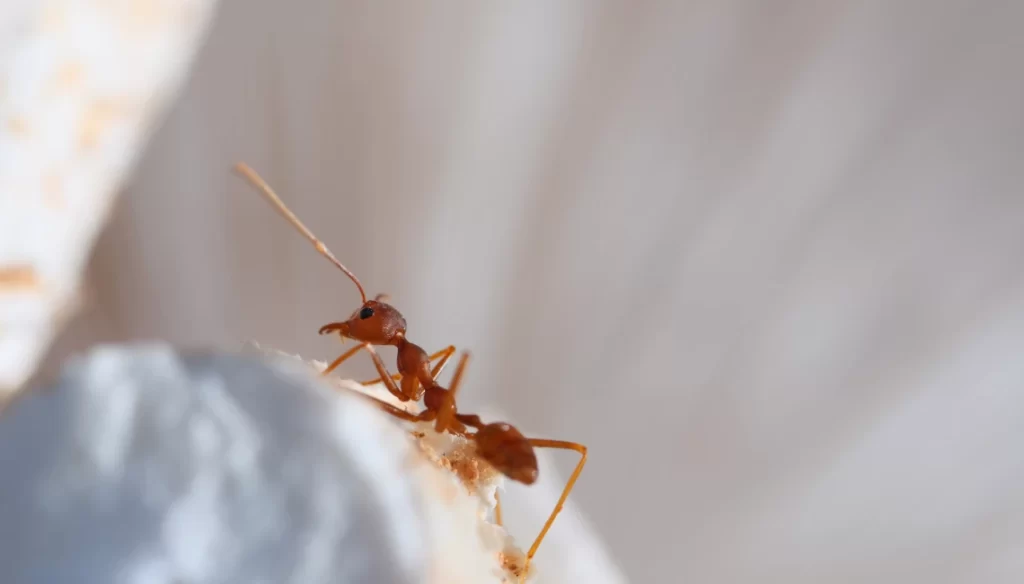
- Reddish-brown ants moving around disturbed areas.
- Several mounds appearing across sunny lawn sections.
- Increased surface activity during warmer weather.
Avoid kicking, digging into, or disturbing suspected fire ant mounds. Fire ants can respond aggressively and deliver multiple painful stings when their colonies feel threatened.
Common Fire Ant Treatment Mistakes to Avoid
Learning how to get rid of fire ants involves more than treating visible mounds. Some homeowners focus only on individual colonies, leaving other active nests throughout the lawn untreated.
Incorrect application timing can also affect treatment results. For example, spreading bait before heavy rain may prevent worker ants from collecting it effectively.
Other common mistakes include applying bait when ants are inactive, disturbing mounds before treatment, and using more insecticide than recommended. Following product labels and choosing appropriate treatment methods can improve control while reducing unnecessary pesticide use.
Professional Fire Ant Control in McKinney and Allen, TX
Managing fire ants requires proper timing, effective treatment methods, and an understanding of seasonal pest activity. Addressing active colonies before they spread can help homeowners maintain more comfortable outdoor spaces.
At Green-Grounds, we help residential and commercial property owners maintain healthier lawns in McKinney, Allen, and surrounding North Texas communities. Our professional lawn care services include fire ant control, insect and disease control, and other seasonal treatments that support healthier turf.
Whether you need lawn pest control in Allen, TX, or help managing recurring fire ant activity in McKinney, our team can recommend suitable treatment options. We focus on addressing existing pest problems while helping homeowners maintain healthier lawns throughout the year.
Keep Fire Ants From Taking Over Your Lawn
Fire ants can survive underground through winter and become active again when warmer temperatures return. Addressing colonies during favorable fall conditions can help reduce recurring mounds and make your outdoor spaces more comfortable.
Ready to take control of fire ants in your McKinney or Allen lawn? Contact Green-Grounds to discuss professional fire ant treatment and find the right solution for your property. Request your free estimate today and get started on a lawn care plan that addresses your pest concerns.