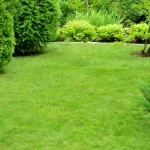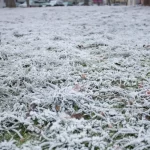
Winter ryegrass can keep Bermuda lawns green during the colder months in North Texas, but it is not always the right choice. While overseeding provides temporary winter color, it also brings extra watering, mowing, and potential problems when Bermuda starts growing again in spring. For homeowners in McKinney, Frisco, and Allen, understanding the benefits and drawbacks of ryegrass overseeding can help them decide whether to plant winter grass or let their Bermuda rest.
What Does Overseeding Bermuda With Winter Ryegrass Actually Do?
Bermuda is a warm-season grass that naturally turns brown and goes dormant as temperatures drop. This seasonal change helps the grass conserve energy until warmer weather returns. A brown Bermuda lawn during winter does not necessarily mean the grass is unhealthy.
Overseeding Bermuda with rye introduces a cool-season grass that grows while Bermuda is dormant. Ryegrass creates temporary green coverage during winter without permanently replacing the established lawn. As spring temperatures rise, Bermuda begins growing again while ryegrass gradually declines under warmer conditions.
Benefits of Winter Ryegrass for North Texas Lawns
The main reason homeowners choose winter overseeding is to maintain a greener lawn when Bermuda has stopped growing. However, the benefits go beyond appearance in certain situations.
- Winter Color: Ryegrass keeps lawns looking green during much of the colder season, improving their overall appearance.
- Seasonal Coverage: Actively growing ryegrass provides temporary turf coverage when Bermuda is dormant.
- Winter Foot Traffic: Established ryegrass can tolerate moderate activity, making it useful for lawns that receive regular use during cooler months.
These benefits may be appealing for highly visible properties or outdoor spaces used throughout winter. However, winter ryegrass does not permanently repair weak Bermuda or solve underlying lawn problems.
The Hidden Drawbacks of Winter Ryegrass Overseeding
Although a green winter lawn looks attractive, ryegrass requires more attention than dormant Bermuda. Homeowners should consider these maintenance demands before deciding to overseed.
More Watering and Winter Mowing
Dormant Bermuda generally requires less water and mowing because its growth has slowed. Ryegrass remains active during cooler weather and needs consistent moisture, especially during establishment.
It also requires regular mowing to maintain an even appearance. This creates additional lawn maintenance during a season when Bermuda would otherwise need little attention.
Changes to Winter Weed Prevention
Fall pre-emergent treatments help prevent weeds such as Poa annua, henbit, and chickweed. However, some pre-emergent herbicides can also stop newly planted ryegrass from germinating.
Homeowners planning winter overseeding in Texas may need to adjust their normal weed prevention schedule. Applying the wrong product at the wrong time can affect seed establishment and leave the lawn more vulnerable to unwanted weeds.
Additional Seasonal Costs
Ryegrass overseeding involves seed, watering, mowing, and possible adjustments to lawn treatments. These expenses can add up over several months, particularly for larger properties.
Before planting, homeowners should decide whether the temporary green appearance justifies the additional maintenance costs.
Winter Ryegrass vs. Dormant Bermuda: Which Is Better?
Choosing between winter ryegrass vs. dormant Bermuda depends on your priorities. Ryegrass offers greener winter turf, while dormant Bermuda requires less seasonal maintenance.
| Lawn Feature | Winter Ryegrass | Dormant Bermuda |
| Winter appearance | Green during active growth | Typically brown or tan |
| Water needs | Higher during establishment and dry periods | Generally lower |
| Mowing | Requires winter mowing | Little or none during dormancy |
| Maintenance costs | Higher | Lower |
| Weed prevention | May complicate pre-emergent timing | Compatible with typical dormant-season programs |
| Spring transition | Requires careful management | Bermuda resumes growth naturally |
For many residential lawns in McKinney and nearby communities, allowing Bermuda to remain dormant is the simpler option. Ryegrass may be worth considering when winter appearance is a higher priority than minimizing maintenance.
For more information about Bermuda dormancy and year-round maintenance, read our seasonal lawn care strategies for McKinney.
Annual vs. Perennial Ryegrass: What Is the Difference?
Choosing the right ryegrass variety matters because different types offer different winter appearances and spring growth patterns.
Annual Ryegrass
Annual ryegrass is generally less expensive and commonly used for temporary winter coverage. It often has a coarser appearance and may decline sooner as temperatures increase, making spring transition somewhat easier.
However, annual ryegrass can grow quickly and may require frequent mowing during favorable conditions.
Perennial Ryegrass
Perennial ryegrass produces finer, darker green turf that many homeowners find more attractive. It generally offers better visual quality but can remain active longer into spring.
In North Texas, this longer persistence may create additional competition as Bermuda begins growing again. Homeowners should weigh its appearance against the potential for a more difficult spring transition.
If a green winter lawn is the goal, seed selection should account for both winter performance and Bermuda recovery. The cheapest seed or darkest green variety is not automatically the right choice.
Will Winter Ryegrass Affect Bermuda Growth in Spring?
Spring transition is one of the biggest concerns with overseeding Bermuda lawns. As soil temperatures rise, dormant Bermuda begins producing new green growth, but ryegrass may still be actively growing above it.
Thick ryegrass can block sunlight and compete with Bermuda for moisture and nutrients. This competition may delay Bermuda green-up and contribute to uneven growth as temperatures increase.
Transition problems can become more noticeable when ryegrass remains dense during a cool spring. Homeowners may see patches of green ryegrass mixed with emerging Bermuda before the winter grass eventually declines.
Proper mowing and irrigation management can help encourage the transition, but results depend on weather conditions and the lawn’s overall health. Overseeding should never come at the expense of maintaining strong Bermuda for the warmer months.
When Is Winter Ryegrass Overseeding Worth It, and When Should You Skip It?
Winter ryegrass in McKinney may be worthwhile for homeowners who value year-round green color and are prepared for the extra maintenance. However, not every Bermuda lawn benefits from overseeding.
Consider Overseeding When:
- You want a greener lawn throughout winter and are willing to maintain it.
- Your Bermuda lawn is established, healthy, and capable of recovering in spring.
- You can adjust watering, mowing, and weed prevention to support winter ryegrass.
Consider Skipping Overseeding When:
- You prefer lower water use and fewer lawn maintenance tasks during winter.
- Your Bermuda lawn is already thin, stressed, or struggling with recurring problems.
- You want to avoid potential competition during spring Bermuda green-up.
In North Texas, ryegrass is typically seeded in fall, often from late September through October, depending on weather and soil conditions. Homeowners who choose overseeding should plan before winter arrives rather than waiting until Bermuda is completely dormant.
For more details about fall timing and preparation, read our fall aeration and overseeding guide for North Texas.
Keep Your Bermuda Lawn Healthy With Green-Grounds
Winter ryegrass can improve your lawn’s appearance during colder months, but healthy Bermuda should remain the priority. Whether you choose temporary winter grass or natural dormancy, proper fertilization, weed prevention, and seasonal care help support stronger turf when growing conditions improve.
At Green-Grounds, we help homeowners in McKinney, Frisco, Allen, and surrounding North Texas communities maintain healthier lawns through professional lawn care programs. Our services focus on supporting long-term grass health, managing weeds, and addressing seasonal lawn concerns.
Make the Right Lawn Care Decision for Your Property
Not sure whether your Bermuda lawn would benefit from winter ryegrass? Green-Grounds can help evaluate your lawn’s condition and recommend a seasonal care approach that supports healthy growth.
Request a Free Lawn Care Estimate to get started.