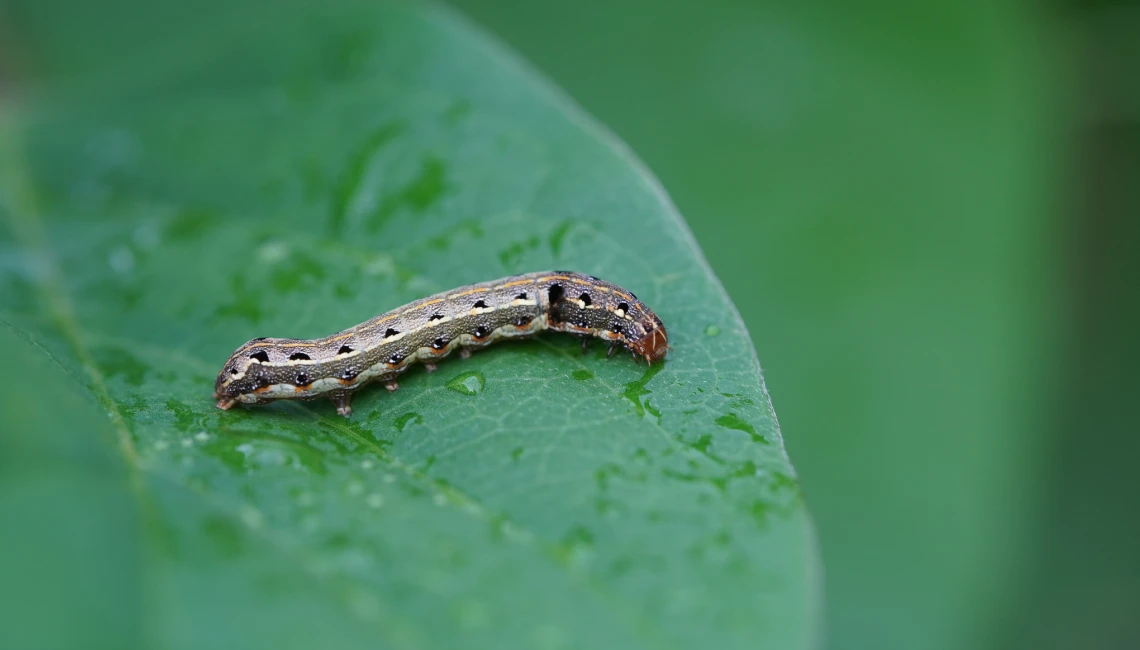
North Texas lawns can turn brown fast when insects start feeding in the turf. Grub worms, chinch bugs, and armyworms can all damage grass, but they do it in different ways. If you need lawn insect control in McKinney, the first step is knowing which pest is causing the problem.
Quick Comparison: Grub Worms vs. Chinch Bugs vs. Armyworms
| Pest | Where They Feed | What Damage Looks Like | Best Clue |
| Grub worms | Underground roots | Brown turf that feels loose | Grass pulls up like carpet |
| Chinch bugs | Lower grass blades and crowns | Yellow, orange, or brown patches | Damage spreads in hot, sunny areas |
| Armyworms | Grass blades | Chewed, thin, or scalped turf | Damage can appear almost overnight |
This table can help you narrow down the problem, but a close inspection is still important. Some lawn issues look similar from a distance, especially during hot North Texas weather. Heat stress, drought, fungus, and insect damage can all create brown patches.
Signs You May Have Lawn Insect Damage
Lawn insects can be hard to spot at first because the damage often looks like drought stress or disease. The key is to look at how fast the damage spreads and where it starts. These clues can help you decide when to schedule professional lawn insect control services in McKinney.
Common signs include:
- Brown patches that keep spreading
- Grass that does not improve after watering
- Turf that feels loose underfoot
- Grass that pulls up easily from the soil
- Chewed or ragged grass blades
- Birds or animals digging in the lawn
- Sudden thinning that appears within a few days
How to Spot Grub Worm Damage
Grub worms feed below the surface by eating grass roots. The lawn may look brown, weak, or dry even when it gets enough water. One of the clearest signs is turf that lifts easily because the roots have been damaged.
Watch for:
- Loose turf that peels up like carpet
- White, C-shaped larvae in the soil
- Animals digging for grubs
- Brown patches that feel soft or spongy
- Weak grass that struggles to recover
Grub control in McKinney and grub control in Frisco is most effective when the issue is found early. If too many roots are gone, the lawn may need extra recovery support after treatment. That is why grub worm treatment in North Texas should start with a proper inspection.
How to Spot Chinch Bug Damage
Chinch bugs often damage lawns during hot, dry weather. Their damage usually appears in sunny areas near sidewalks, driveways, curbs, and other heat-reflecting surfaces. The grass may turn yellow, then orange or brown as the problem spreads.
Watch for:
- Yellowing grass that turns brown
- Damage near pavement or sunny areas
- Patches that spread during hot weather
- Grass that does not respond to watering
- Active insects near the edge of damaged turf
Chinch bug treatment in Plano, TX, McKinney, and nearby areas is usually needed when patches keep spreading even with proper watering. These insects are small, so the best place to inspect is where healthy grass meets damaged grass. That edge is often where chinch bugs are still active.
How to Spot Armyworm Damage
Armyworms chew grass blades and can move through a lawn quickly. Their damage can look like the lawn was scalped, scraped, or mowed too short. In some cases, armyworm damage in McKinney, TX, can appear in just a few days.
Watch for:
- Chewed or ragged grass blades
- Fast-spreading thin areas
- Small caterpillars in the turf
- Birds feeding heavily in the lawn
- Grass that looks suddenly mowed down
Armyworms control in McKinney should happen quickly once active feeding is found. Fast treatment can help stop the damage before it spreads across more turf. After treatment, proper watering and lawn care can help the grass recover.
Why These Lawn Pests Are Easy to Confuse
Grub worms, chinch bugs, and armyworms are often confused because they all create brown or thinning grass. The difference is in where they feed and how the lawn reacts. Grubs damage roots, chinch bugs stress the grass near the crown, and armyworms chew the blades.
They are often confused with:
- Drought stress
- Lawn disease
- Poor irrigation coverage
- Heat stress
- Soil compaction
- Fertilizer burn
Professional lawn insect control in McKinney can help confirm the cause before treatment begins. This matters because the wrong treatment can delay recovery. A proper inspection helps protect your lawn from more damage.
How Green-Grounds Can Help
Green-Grounds helps homeowners identify and treat lawn insect problems in McKinney and nearby North Texas areas. We inspect the turf, check the damage pattern, and look for signs of active pests before recommending a treatment. This helps us choose the right solution for grubs, chinch bugs, armyworms, or other lawn insects.
Our lawn care services can support:
- Grub control
- Chinch bug treatment
- Armyworm control
- General lawn insect control
- Fertilization
- Weed control
- Aeration
- Disease control
- Fire ant control
This full-lawn approach helps your grass recover after pest damage and stay stronger through the growing season. It also helps reduce the chance of small problems turning into major lawn decline. With the right care plan, your lawn can handle North Texas pest pressure more effectively.
Stop Lawn Insects Before They Spread
Grub worms, chinch bugs, and armyworms can all damage North Texas lawns, but they are not the same pest. The right treatment depends on whether the damage is happening at the roots, crown, or grass blades. A quick inspection can help protect your lawn before the problem spreads.
If you need grub control in McKinney, chinch bug treatment in Plano, TX, armyworms control in McKinney, or lawn insect control services in McKinney, Green-Grounds can help. Contact us today to schedule lawn insect control and protect your lawn from damaging turf pests.