Fall lawn aeration and overseeding are essential for homeowners in North Texas who want to revitalize their yard after summer stress and set the stage for healthy spring growth. These services reduce soil compaction, encourage deep root development, and improve grass density. At Green-Grounds, we tailor these treatments to match North Texas soil and climate, delivering visible results you can count on.
Why Your North Texas Lawn Needs It
A healthy lawn doesn’t happen by accident, especially in North Texas. Fall aeration and overseeding give your grass the help it needs to recover from summer and thrive long-term.
Soil compaction is a major challenge
North Texas soil often contains heavy clay. Over time, foot traffic, mowing, and rain compress the ground and block vital air, water, and nutrients from reaching the grass roots. Aeration removes small plugs of soil, loosening the ground and promoting root growth. In heavy clay soils, aeration twice a year (spring and fall) can be especially beneficial.
Repairing summer stress
The summer heat in the Dallas-Fort Worth area puts lawns under intense pressure. Grass can become thin, browned, or patchy. Overseeding after aeration gives your lawn a fresh chance to fill in those weak spots and build resilience.
Transition-zone climate demands extra support
North Texas sits in the transition zone between warm-season and cool-season grasses. For homeowners looking to maintain color and thickness year-round, overseeding with a cool-season grass like ryegrass or fescue in the fall can help keep your lawn green and vibrant when many lawns go dormant.
Why Fall Is the Ideal Timing
- Warm soil, cooler air – Soil holds residual warmth from summer while the air has begun to cool in fall. This combination supports seed germination but reduces stress on new seedlings.
- Natural moisture support – Fall often brings more consistent rainfall in the region, which means less strain on irrigation for new seed.
- Getting ahead of winter – By giving your lawn time in fall to establish roots and thickness, you allow it to enter winter from a stronger position. When spring arrives, your grass is ready to grow more vigorously.
Start now so your lawn hits spring at full strength.
The Process Explained
Aeration first
We begin by using specialized equipment to remove plugs of soil from your yard. This opens up the soil and lets air, water, and nutrients reach deeper roots. For our local North Texas soils (especially heavy clay), aerating in both spring and fall may give better results than once annually.
Follow up with overseeding
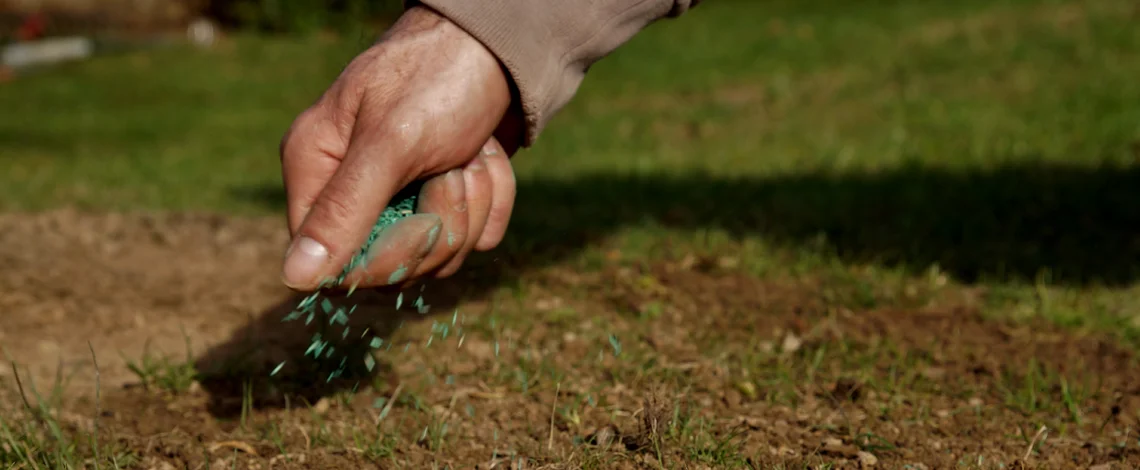
Once aeration is complete, we spread seed selectively across the lawn. For warm-season grasses, we choose seed that adapts to our regional conditions and encourages fill-in where the lawn is thin. The next 5 to 8 weeks are critical for germination, root growth, and building thick grass ahead of winter.
Fertilize and maintain
After aeration, it is ideal to fertilize so nutrients move easily into the loosened soil and feed the roots. Proper mowing, watering, and ongoing lawn care are also essential, not just for fall, but to support next year’s spring growth.
Benefits You’ll See (and Feel)
- Thicker grass that crowds out weeds and resists disease
- Fewer bare or patchy areas that leave your lawn looking uneven
- Deeper, healthier root systems to withstand heat, cold, and drought
- Green appearance that lasts through fall and winter in transition-zone lawns
- Pride in your lawn looking its best, now and when spring returns
How to Get the Best Results
- Time it right: In North Texas, the best window for overseeding is late August to mid-November. You want to seed in the ground about 5 to 8 weeks before the first frost.
- Match your soil: If your yard has heavy clay, consider aerating twice a year. Lighter sandy or loamy soils may only need it once annually.
- Aerate before fertilizing: This ensures nutrients can penetrate deeper through the new soil plugs.
- Water wisely: New seed needs consistent moisture. With fall’s cooler air and occasional rain, keep the seedbed moist without over-watering.
- Call the pros: North Texas lawns vary in soil type and grass needs. Partnering with Green-Grounds means getting the right seed, timing, and care tailored to your yard.
Ready to Get Started?
If you are ready to give your lawn in North Texas the care it needs, contact Green-Grounds today at (972) 809-3186. We proudly serve McKinney and nearby areas with expert, seasonal lawn care based on real local experience, and we tailor every treatment to fit your yard’s unique needs. Let’s get your yard healthy and growing so you can enjoy a greener, stronger lawn all year long.