If your lawn is turning yellow, thinning out, or showing brown patches, it may not be heat stress alone. Many McKinney lawns deal with fungal disease because North Texas weather brings humidity, clay soil, warm days, and sudden moisture changes. The key is knowing what you are looking at before the problem spreads across your Bermuda or St. Augustine lawn.
Why Lawn Disease Spreads So Fast in North Texas
Lawn disease in McKinney can move quickly when warm weather, wet grass, compacted soil, and poor airflow come together. Brown patch, take-all root rot, dollar spot, and spring dead spot all show up in different ways, but they often start with the same problem: stressed grass. Before you treat the lawn, it helps to understand what conditions make disease worse.
Common causes include:
- Watering too often or too late in the day
- Heavy clay soil that holds moisture
- Low airflow in shaded areas
- Excess thatch buildup
- Scalping the lawn too short
- Too much nitrogen at the wrong time
- Poor drainage after rain or irrigation
How to Identify Common Lawn Diseases in North Texas
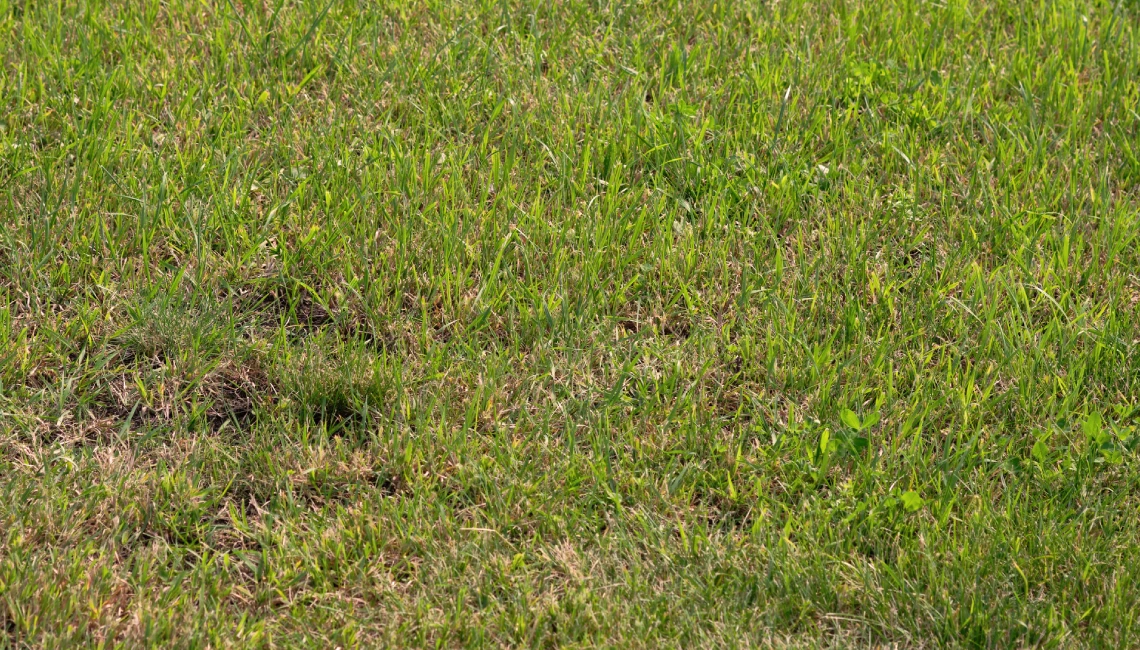
North Texas lawn diseases can look similar at first, which is why many homeowners misread fungus as drought stress, insect damage, or a fertilizer issue. A visual check can help you spot the difference before the damage gets worse. Use these signs as a starting point for identifying lawn fungus in McKinney, TX.
Brown, Circular Patches in St. Augustine
Brown patch grass in North Texas often shows up in St. Augustine lawns during fall or spring when humidity is high and nights become cooler. You may see round brown patches that spread outward, sometimes several feet wide. In the morning, the edges may have a dark, smoky-looking ring.
Watch for:
- Circular brown or tan patches
- Grass blades that pull loose from the runner
- Dark gray or purplish “smoke rings”
- Damage that appears after wet, humid weather
- Faster spread in shaded or overwatered areas
Yellow, Thin Areas in Spring: Take-All Root Rot
Take-all root rot in McKinney is often mistaken for drought stress because the lawn looks weak, yellow, and thin. The difference is that this disease attacks the roots, so the grass cannot take up water and nutrients well. It is common in St. Augustine from spring through early summer, especially in damp, shaded, or poorly drained areas.
Watch for:
- Yellow or light green grass
- Thin, irregular patches
- Weak roots that pull up easily
- Dark or rotted stolons
- Damage that appears after winter dormancy
- Areas that do not respond well to watering
Small Bleached Spots: Dollar Spot
Dollar spots usually start as small, round patches that look bleached or straw-colored. These spots can stay small or merge into larger areas when the lawn is stressed. It can affect warm-season grass when moisture sits on the blades and the turf is low on strength.
Watch for:
- Silver-dollar-sized patches
- Bleached grass blades
- Spots that connect into larger patches
- More damage during humid mornings
- Thin turf that looks stressed
Sunken Brown Circles in Bermuda: Spring Dead Spot
Spring dead spot is most common in Bermuda grass when it comes out of winter dormancy. The lawn may green up around the problem area while the infected spots stay brown, sunken, or slow to recover. This can make the damage stand out clearly in spring.
Watch for:
- Brown circular patches in Bermuda
- Sunken or depressed areas
- Damage that appears during spring green-up
- Patches that return in the same areas each year
- Weak regrowth in affected spots
Brown Patch vs. Take-All Root Rot: The Big Difference
Brown patch and take-all root rot are two of the most common reasons homeowners need lawn disease control in McKinney, TX. Brown patch usually attacks the leaf blades and shows up as circular patches, while take-all root rot attacks the roots and causes yellow, weak turf. Knowing the difference helps avoid the wrong treatment. Quick comparison:
| Disease | Usually Affects | Common Timing | What It Looks Like |
| Brown Patch | St. Augustine | Fall and spring | Round brown patches with weak blades |
| Take-All Root Rot | St. Augustine | Spring to early summer | Yellow, thin turf with weak roots |
| Dollar Spot | Warm-season lawns | Humid weather | Small bleached spots |
| Spring Dead Spot | Bermuda | Spring green-up | Sunken brown circles |
How to Stop Lawn Disease Before It Spreads
Grass disease treatment for North Texas works best when the lawn care plan addresses both the disease and the conditions that caused it. Fungicides can help, but watering, mowing, soil health, and fertilization timing also matter. A healthier lawn has a better chance of recovering and resisting future disease.
Smart steps include:
- Water early in the morning, ideally between 4 a.m. and 8 a.m.
- Water deeply but less often so the soil does not stay soggy.
- Avoid watering at night because wet grass can feed fungus.
- Raise the mowing height to reduce turf stress.
- Avoid scalping St. Augustine or Bermuda.
- Improve airflow in shaded or crowded areas.
- Reduce thatch so moisture does not sit near the crown.
- Use fungicides when the disease and timing call for it.
Why Fertilizer Timing Matters During Lawn Disease
Fertilization services can support a healthier lawn, but the timing and product choice matter when disease is active. Too much nitrogen during the wrong weather can make brown patch worse, especially when the lawn is already wet or humid. The goal is to feed the grass in a way that supports recovery without pushing soft, disease-prone growth. A good treatment plan should consider:
- Grass type
- Soil condition
- Disease pressure
- Time of year
- Recent watering habits
- Shade and drainage
- Current lawn color and density
Your Local Source for Lawn Disease Control in McKinney
Green Grounds is a go-to source for homeowners who need McKinney lawn disease control that fits local soil, weather, and grass types. We help with lawn disease treatment in North Texas, fertilization services, weed control, aeration, insect control, pest control, fungal treatments, and bed management. This gives your lawn a stronger plan instead of treating brown patches as a one-time problem.
That matters because lawn disease in Frisco, TX, Allen, McKinney, and nearby areas often connects with watering, fertilization, soil compaction, and pest pressure. When we look at the whole lawn, we can help identify what is stressing the grass and what type of treatment makes sense. Our goal is to help your lawn recover, grow stronger, and stay better protected through the North Texas season.
Protect Your McKinney Lawn Before Disease Takes Over
If your lawn has brown patches, yellow thinning areas, weak roots, or spots that keep spreading, it is time to take a closer look before the damage gets worse. Brown patch, take-all root rot, dollar spot, and spring dead spot can move fast in North Texas when the lawn stays wet, stressed, or underfed.
The right plan can help stop the spread, support stronger turf, and reduce future disease pressure. Contact us today to schedule lawn disease control in McKinney, TX and get your lawn back on the right track.